
Have you ever marked your calendar expecting your period date to find it comes late or too early, or sometimes skips altogether? You are not alone in this. Many women have changes in their menstrual cycle at some point in their lives. A normal menstrual cycle usually happens every 21 to 35 days, but it doesn’t follow this same or regular pattern. When periods come at an unexpected time, or too close, or too far apart, or with an unusual flow, it is known as irregular periods or irregular menstruation. While an occasional change is nothing to worry but, frequent irregularities might be your body’s way of signaling that something is not right. Understanding what causes these irregular periods is important because it helps you take better care of your health. In this blog, let’s explore some of the common medical conditions that can lead to irregular periods and when it’s time to seek help.
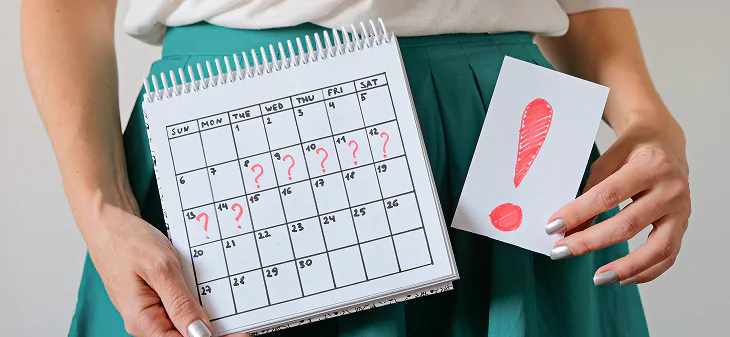
Examples of irregular periods or irregular menstruation
Irregular periods can show the effects in different ways for different women. Sometimes it’s hard to know which is irregular. Below are the common examples that you might notice in your period's cycle:
- Periods that come too often, happening in less than 21 days.
- Periods that come too late like taking more than 35 days between cycles.
- Missing periods for one or more months.
- Heavy bleeding that leads to changes in the pads frequently.
- Very light bleeding, where the flow is barely noticeable.
- Periods that take longer than 7 days or last less than 2 days.
- Spotting or bleeding before your regular periods.
By noticing these changes, you will be able to understand your body better and know when to check in with your doctor.
The cause of irregular periods: Medical Conditions that mess with your cycle
Irregular periods don't just happen without any reason; they can be a sign of an underlying medical condition that needs attention. To understand what's going on inside your body, knowing the possible causes helps you in determining when to see your doctor. Here are some common medical conditions that can cause irregular menstruation.
- Endometriosis: This happens when tissue similar to the lining of the uterus grows outside the uterus, causing pain and heavy or irregular bleeding.
- Pelvic Inflammatory Disease (PID): An infection in the female reproductive organs, PID can lead to irregular or painful periods if left untreated.
- Polycystic Ovary Syndrome (PCOS): A condition that causes hormonal imbalance due to a small growth on the ovaries, often leading to missed or irregular menstruation.
- Primary Ovarian Insufficiency: This issue will arise when the ovaries stop working properly before the age of 40, which can cause irregular or absent periods.
- Thyroid or Pituitary Gland Disorders: These glands help to control hormones that regulate the menstrual cycle, so if there is any imbalance in these glands, it leads to disruption of your periods.
- Bleeding Disorders: Problems with blood clotting can cause very heavy or prolonged bleeding during periods.
- Uterine Cancer or Ovarian Cancer: Though less common, cancers in the uterus or ovaries can cause abnormal bleeding or irregular periods.
If you notice your periods are becoming irregular or come with other symptoms like pain, heavy bleeding, or missed cycles, it's important to visit your doctor. Getting the right diagnosis is the first step toward effective treatment and better health.
The Link Between Your Lifestyle and Irregular Menstruation
Our daily habits and routines shape our lives not just how we feel, but also how our bodies function and the menstrual cycle also plays a major role. Sometimes, when life gets a little out of balance, so do our periods. Here are some common lifestyle factors that can lead to irregular menstruation:
- Stress: Whether it’s work pressure, emotional strain, or personal worries, stress can upset the hormones that control your periods, leading to missed or delayed cycles.
- Gaining or Losing Weight: Sudden weight gain or loss can confuse your body's hormonal balance, which may cause your periods to become irregular or stop.
- Exercise routines in the results of very low body fat: Athletes, dancers, or those who are doing intense workouts may have lower body fat, which affects the hormones needed for regular periods.
- Viruses: Sometimes, a common fever or recovery from infections can affect your menstrual cycle temporarily.
You can make small positive changes by noticing and keeping a close eye on these factors, and it helps you to bring the period cycle back on track. And if you are not seeing any improvement, it's always a good idea to check with a doctor.
Other Possible Reasons for Irregular Periods
Not only do health conditions or daily habits affect the period cycle. There are also other reasons that cause irregular periods. Sometimes, factors you may not think about can also affect your cycle, and below are some possible reasons you should be aware of:
- Birth Control Pills: These pills contain hormones that can change your body’s natural cycle.
- Medications: Certain medicines, especially those that affect hormones, mood, or blood thinners, can also lead to changes in your menstrual cycle.
- Miscarriage or Ectopic Pregnancy: Both can cause heavy bleeding or missed periods and should always be checked by a doctor.
- Surgery, Scarring, or Blockages in the Uterus: Any surgical procedure or scarring inside the uterus can interfere with the normal flow of periods, sometimes making them irregular or painful.
If you’re experiencing irregular periods and can’t find the reason, it’s always a good idea to talk to a doctor.
Treatment and Medicines for Irregular Periods
Sometimes, irregular periods need more than just lifestyle changes—they may require proper medical treatment. The right treatment depends on what’s causing the irregularity, and a doctor will help decide the best option for you. Here are some common treatments and medicines used to manage irregular menstruation:
- Tranexamic Acid: This medicine is sometimes used to reduce heavy bleeding during periods.
- Pain Relievers: Medicines like ibuprofen or paracetamol can help manage period pain and make you feel better.
- Hormone Therapy: Hormone therapy may help balance the hormones in your body and bring periods back to normal, especially for conditions like menopause.
- Antibiotics: If an infection like pelvic inflammatory disease is the reason for irregular periods, antibiotics can help treat it.
- GnRH Medicines: These are special medicines that may be used in cases like endometriosis to help control periods and reduce pain
It is always best to talk to a doctor before starting any treatment. They can help find the right solution based on the cause of your irregular periods.
When Is the Time to Visit a Doctor for Irregular Periods?
While irregular periods can happen for many reasons, some signs should never be ignored. If you notice any unusual changes in your period or how you feel during your cycle, it’s a good idea to speak with a doctor. Here are a few signs to watch out for:
- Very painful periods or cramps that affect your daily routine.
- Bleeding that feels too heavy, like needing to change pads or tampons every hour, or passing large clots.
- Unusual vaginal discharge with a bad smell.
- Periods that last longer than a week.
- Bleeding or spotting between periods or after reaching menopause.
- Sudden changes where your once-regular periods become unpredictable.
- Feeling sick with nausea or vomiting during your period.
- Signs of infection like fever, dizziness, or fainting.
- Missing periods when there’s a chance you could be pregnant.
If you face any of these issues, don’t wait—getting the right care early can help you stay healthy and find the right solution.
How to Reduce the Risk of Irregular Periods
Taking care of your overall well-being can help keep your menstrual cycle regular. Here are some simple tips that may help:
- Follow a healthy lifestyle by eating balanced meals and staying active with regular, moderate exercise.
- Avoid crash diets or sudden weight changes—if you need to lose weight, do it slowly and safely.
- Get enough rest and sleep to help your body function well.
- Find ways to manage stress, such as meditation, deep breathing, or relaxation techniques.
- Avoid overdoing intense workouts, as too much exercise can affect your periods.
- Take any prescribed birth control or medications exactly as your doctor advises.
- Maintain good hygiene by changing sanitary products regularly to avoid infections.
- Visit your gynecologist for regular check-ups to keep your reproductive health in check.
Making these small but steady changes in your routine can support your body and help keep your periods on track.
Conclusion
Many women face irregular periods at different stages of their lives. If it is a rare change that will be normal, but frequent changes in periods should not be avoidable, as that will lead to severe health issues. To prevent irregular menstruation, understanding possible causes will help, like medical conditions, lifestyle choices, or other factors, which can help you take the right steps for menstrual health. On-time medical care, simple changes in daily routine, and proper treatment can make a real difference.
At Sanjeevi Hospital, the leading Gastro and Maternity Care Centre in Gingee , we are here to help you stay healthy at every stage of life. If you are worried or scared about irregular periods, feel free to reach out or contact our hospital. Getting proper treatment and the right care early can help you lead a healthier life.