
Disorders affecting women's reproductive health have become increasingly common recently. Among them, two particular diseases that people get confused about due to similarities in names and symptoms are Polycystic Ovarian Disease (PCOD) and Polycystic Ovary Syndrome (PCOS). The difference between PCOS and PCOD should not be overlooked because each condition affects the body in different ways.
The early detection and treatment of the disease can prevent long-term complications. This guide explains the causes, symptoms, diagnosis, and available treatment options for both conditions.
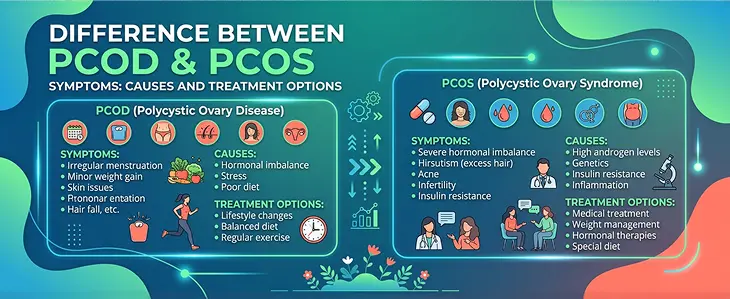
What is PCOD?
Polycystic Ovarian Disease is a condition in which the ovaries produce immature or semi-mature eggs that might form cysts later on. These cysts affect the functioning of the ovaries and hormone production.
Common causes of PCOD
Several factors may contribute to the development of PCOD, including:
- Unhealthy eating habits resulting in weight gain
- Lack of exercise
- Obesity
- Stress
- Hormonal imbalance
- Family history of hormonal diseases
What is PCOS?
Polycystic Ovary Syndrome is an endocrinological and metabolic disorder that affects the ovaries and reproductive system, among other physiological functions. PCOS is different from PCOD because PCOS is classified as a syndrome since it comprises multiple problems related to hormones and metabolism that affect various body parts.
Common causes of PCOS
The exact cause of PCOS remains unclear, but several factors are believed to contribute to its development:
- Insulin resistance
- Hormonal imbalances
- High genetic risks
- Chronic inflammatory processes
- Unhealthy lifestyle factors
Early diagnosis and appropriate PCOS treatment are important for long-term well-being.
PCOD vs PCOS
Although the terms are often used interchangeably, there are significant differences between the two conditions.
| Feature | PCOD | PCOS |
|---|---|---|
| Condition Type | Ovarian disorder | Hormonal and metabolic syndrome |
| Severity | Generally less severe | Usually more complex |
| Ovulation | May occur irregularly | Frequently disrupted |
| Fertility Impact | Mild to moderate | More significant |
| Metabolic Risks | Lower | Higher |
| Insulin Resistance | Less common | Common |
| Management | Lifestyle-focused | Lifestyle and medical treatment |
Understanding the difference between PCOS and PCOD helps women seek the right diagnosis and treatment plan tailored to their condition.
PCOD symptoms vs PCOS symptoms
Common PCOD symptoms
For women suffering from PCOD:
- Irregular periods
- Gain in weight
- Acne and greasy skin
- Hair thinning
- Mild hormonal imbalance
- Changes in mood
These symptoms may differ between patients and improve considerably with healthy lifestyle choices.
Common PCOS symptoms
Some of the symptoms associated with PCOS include:
- Missed or irregular menstrual cycles
- Excess hair on the face and body
- Persistent acne
- Difficulty in getting pregnant
- Insulin resistance
- Weight gain
- Brown, dark-colored patches on specific parts of the body
Since some symptoms may progress as time goes by, proper PCOS treatment becomes important to overcome PCOS.
How are PCOD and PCOS diagnosed?
- Review of medical history to determine patterns related to menstruation, symptoms, and family history.
- Physical examination to identify symptoms such as acne, excess hair growth, or obesity.
- Blood tests to measure hormones and check for insulin resistance.
- Pelvic ultrasound to examine ovaries and identify the presence of any cysts.
- Other tests may be required depending on the conditions.
Proper diagnosis is important because understanding the difference between PCOS and PCOD will guide the management decisions.
Which is more serious: PCOD or PCOS?
Although both need treatment, polycystic ovarian syndrome (PCOS) is regarded as a more complicated issue than PCOD because it does not only affect the reproductive system but also other processes such as metabolism, hormonal functioning, and the effects of insulin. PCOD can be handled by making necessary lifestyle changes, whereas PCOS requires constant monitoring.
Real-life signs that may indicate PCOD or PCOS
You may be experiencing PCOD or PCOS if:
Women fail to pay attention to these symptoms early on since they are not related directly. Yet, some normal occurrences can signal an existing hormonal disorder:
- Irregular or missing periods
- Unexplained weight gain
- Chronic acne
- Excess hair growth on face/body
- Loss of hair
- Infertility problems
- Mood swings and tiredness
How PCOD and PCOS affect fertility
PCOD and PCOS can affect fertility in different ways, but many women can still conceive with proper care.
- People suffering from PCOD have high chances of conceiving since ovulation still takes place.
- PCOS patients suffer from irregular ovulation; but pregnancy is still possible with treatment.
- The imbalance of hormones could cause problems in ovulation.
- There will be difficulty determining your fertile days because of irregular menstrual cycles
- Methods of fertility treatments include losing weight, medications to regulate hormones, stimulating ovulation, and assisted reproductive technology.
- Early detection of the condition leads to successful treatment that can boost fertility.
What happens if PCOD or PCOS is left untreated?
Potential health risks of untreated PCOD
If not treated, PCOD may cause:
- A prolonged irregularity in the menstrual cycle
- Trouble in weight control
- Hormone imbalance
- Inability to conceive
Potential health risks of untreated PCOS
If left untreated, PCOS can cause:
- Insulin resistance
- The risk of developing type 2 diabetes
- High blood pressure
- Metabolic syndrome
- Fertility problems
- Endometrial complications
PCOD treatment options
- Keep yourself fit by doing exercises and other physical activities.
- Eat healthy and include lots of fruits and vegetables, grains, and lean protein in your diet.
- Avoid eating too many processed food products and high amounts of sugar.
- Reduce your stress levels using relaxing techniques such as yoga and meditation.
- Take prescribed medications from a professional doctor for PCOD treatment that help regulate your menstrual cycle and hormonal imbalance issues.
- Ensure you get adequate rest and stay hydrated.
A personalized PCOD treatment plan can help manage symptoms and improve long-term well-being.
PCOS treatment options
- Maintain weight at a healthy level by sticking to a diet and exercises.
- Correcting insulin resistance through lifestyle changes and medication, when needed.
- Medicating hormones for regulating menstruation, dealing with acne and hair fall.
- Conceiving infertility treatments to achieve ovulation and conception.
- Frequent follow-ups to hospital appointments to monitor the symptoms and avoid any health hazards in the future.
A personalized PCOS treatment plan can help manage PCOS effectively and improve overall health.
Diet and lifestyle tips for managing PCOD and PCOS
Foods to include
A diet rich in nutrients can help you maintain hormonal balance
- High fiber foods
- Fruits and vegetables
- Meat
- Good fat
- Low glycemic foods
Foods that should be avoided
There are certain foods that should be avoided because they help ease symptoms:
- Products made from refined sugar
- Processed foods
- Sugary drinks
- Fast foods
- Processed snacks
Exercise recommendations
The individual should aim at performing physical exercises for 30 minutes per day. Exercises such as cardio, strength training, yoga, and stretching could be useful to support hormonal and metabolic health.
Prioritize your hormonal wellness and well-being
Understanding PCOD and PCOS is the first step toward better reproductive and overall health. Although there is some similarity between these conditions, they also vary in terms of causes, intensity, and consequences. Recognizing symptoms early and seeking timely medical advice can make a significant difference in symptom management and quality of life.
At Sanjeevi Gastro Maternity Care Center, our experienced gynecologist and obstetrician in Tindivanam offer all-round assessments and treatment programs for women of all ages and health conditions. We offer specialized care and treatments for women’s health problems, such as hormone disorders, menstrual abnormalities, infertility, PCOS and PCOD.
Don't ignore the signs of hormonal imbalance. Book your consultation at Sanjeevi Gastro Maternity Care Center and take the first step toward better reproductive health, hormonal balance, and overall well-being.